|
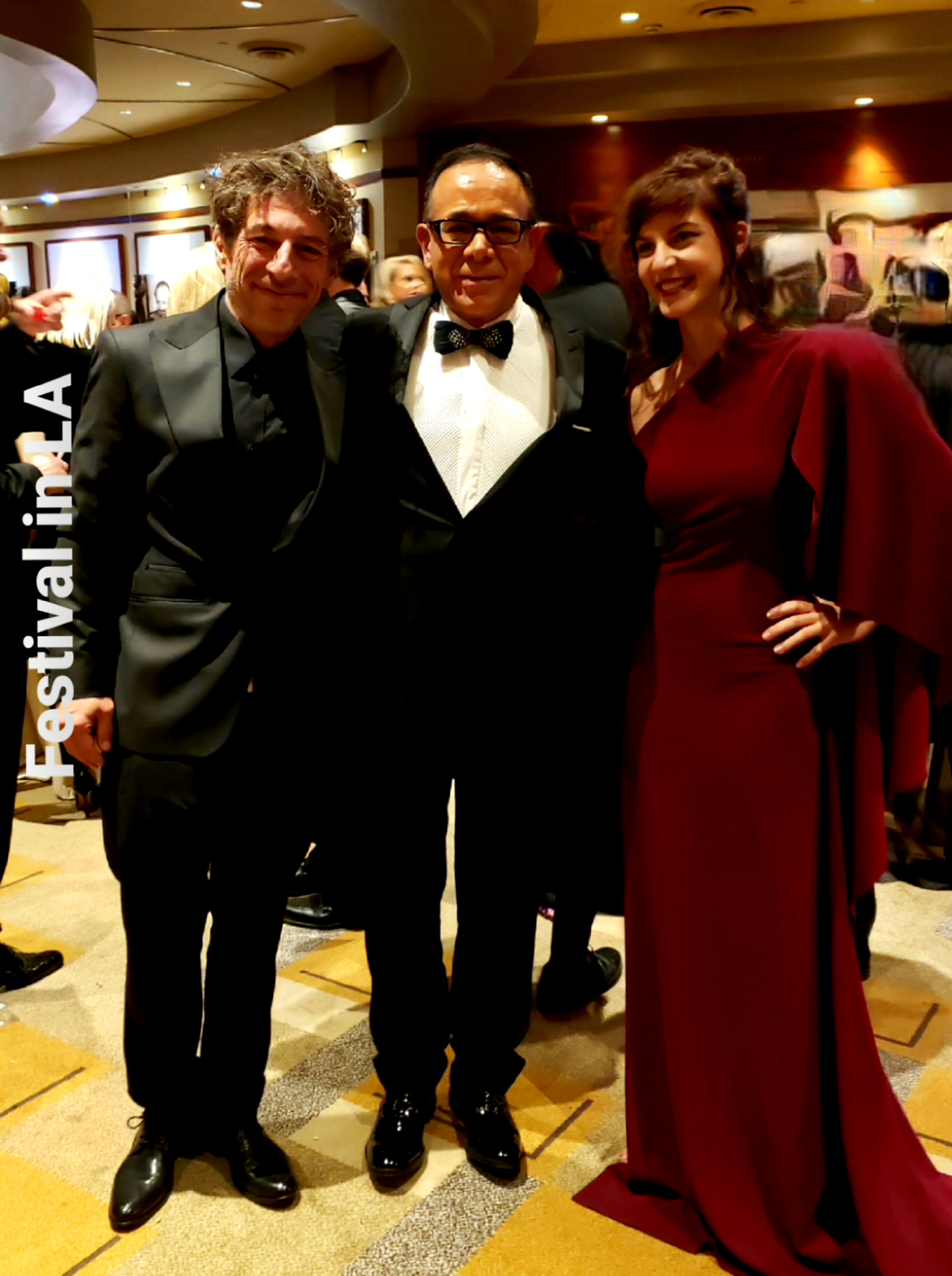
| Ten Shortlisted Films for Best International Feature Film for the Oscars 2020. Festival in LA |
TEN SHORTLISTED INTERNATIONAL FEATURE FILMS PRE-SELECTED IN THE CATEGORY OF BEST INTERNATIONAL FEATURE FILM:
The Czech Republic, “The Painted Bird”
Estonia, “Truth and Justice”
France, “Les Misérables”
Hungary, “Those Who Remained”
North Macedonia, “Honeyland”
Poland, “Corpus Christi”
Russia, “Beanpole”
Senegal, “Atlantics”
South Korea, “Parasite”
Spain, “Pain and Glory”
A record number of 94 countries submitted their films to the 92nd Academy Awards for the Best International Feature Film, previously known as the Best Foreign Language category. Estonia, “Truth and Justice”
France, “Les Misérables”
Hungary, “Those Who Remained”
North Macedonia, “Honeyland”
Poland, “Corpus Christi”
Russia, “Beanpole”
Senegal, “Atlantics”
South Korea, “Parasite”
Spain, “Pain and Glory”
Out of those 94 submissions, the one from Afghanistan was ineligible. Austria and Nigeria were disqualified because more than fifty percent of the dialog is in English.
From that long list, ten films are shortlisted now, before the nominations announcement mid-January.
Not many surprises as the frontrunner and top foreign box-office, Cannes winner “Parasite,” seem to be ahead of the other preselected films.
Not that fast, the favorite film not always wins the Oscar. It happened in 2009 with Michael Haneke's Palme d'Or winner “The White Ribbon” loosing against the undiscovered Argentinian political-thriller “The Secret in their Eyes,” both films are equally meaningful with extraordinary beauty.
Last year, the Venice Film Festival winner “Roma” from Mexico won the Oscar over Cannes winner Japanse social drama “Shoplifters.” And a year before the transgender Chilean love story “A Fantastic Woman” beat Cannes winner “The Square” from Sweden.
In history, very few films won the Palme d’Or and the Oscar as well. The last movie to do so was “Amour” in 2012. “Pele the Conqueror” won both in 1987, “The Thin Drum” in 1979. “A Man and a Woman” in 1966, “La Dolce Vita” from Italy won in 1960, and “Black Orpheus” made in Brazil, represented France in 1959, won Cannes and the Oscar.
Measuring art is subjective, but not for the Academy members who prefer a wide variety of topics than the ones that have won in the influential European Film Festivals.
The films from Latin America are out of the competition after winning the Oscar for two consecutive years, "A Fantastic Woman" from Chile, and "Roma" from Mexico. "Invisible Life," the masterwork from Brazil and "Retablo" from Peru, both films were nominated for Independent Spirit Awards, but after the shortlist announcement have no chance for an Oscar nomination.
This award season, anything can happen because the most controversial film of the year, "The Painted Bird" from the Czech Republic, made the cut. The eco-friendly documentary from North Macedonia's "Honeyland," or even "Beanpole" from Russia, can win over the three favorites, "Parasite" from South Korea, "Pain and Glory" from Spain, and "Les Misérables" from France.
The films from Latin America are out of the competition after winning the Oscar for two consecutive years, "A Fantastic Woman" from Chile, and "Roma" from Mexico. "Invisible Life," the masterwork from Brazil and "Retablo" from Peru, both films were nominated for Independent Spirit Awards, but after the shortlist announcement have no chance for an Oscar nomination.
This award season, anything can happen because the most controversial film of the year, "The Painted Bird" from the Czech Republic, made the cut. The eco-friendly documentary from North Macedonia's "Honeyland," or even "Beanpole" from Russia, can win over the three favorites, "Parasite" from South Korea, "Pain and Glory" from Spain, and "Les Misérables" from France.
The Painted Bird, Czech Republic
Directed by Václav Marhoul.
Language: Interslavic.


Truth and Justice, Estonia
Directed by Tanel Toon
Language: Estonia

Directed by Ladj Ly
Language: French.

Those Who Remained, Hungary
Directed by Barnabás Tóth
Language: Hungarian.


Honeyland, North Macedonia
Directed by Ljubomir Stefanov and Tamara Kotovska
Language: Turkish, Macedonian, Bosnian.

Corpus Christi, Poland
Directed by Jean Komasa
Language: Polish

Beanpole, Russia
Directed by Kantermir Balagov
Language: Polish

Beanpole, Russia
Directed by Kantermir Balagov
Language: Russian


Atlantics, Senegal
Directed by Mati Diop
Language: Wolof, French, English.

Parasite, South Korea
Directed by Bong Joon-ho
Language: Korean.

Pain and Glory, Spain
Directed by Pedro Almodovar
Language: Spanish.

Related Articles:
TO ACCESS OUR INTERACTIVE FILM FESTIVAL CALENDAR FROM YOUR MOBILE DEVICE CLICK: View web version.
Festival in LA ©2019